
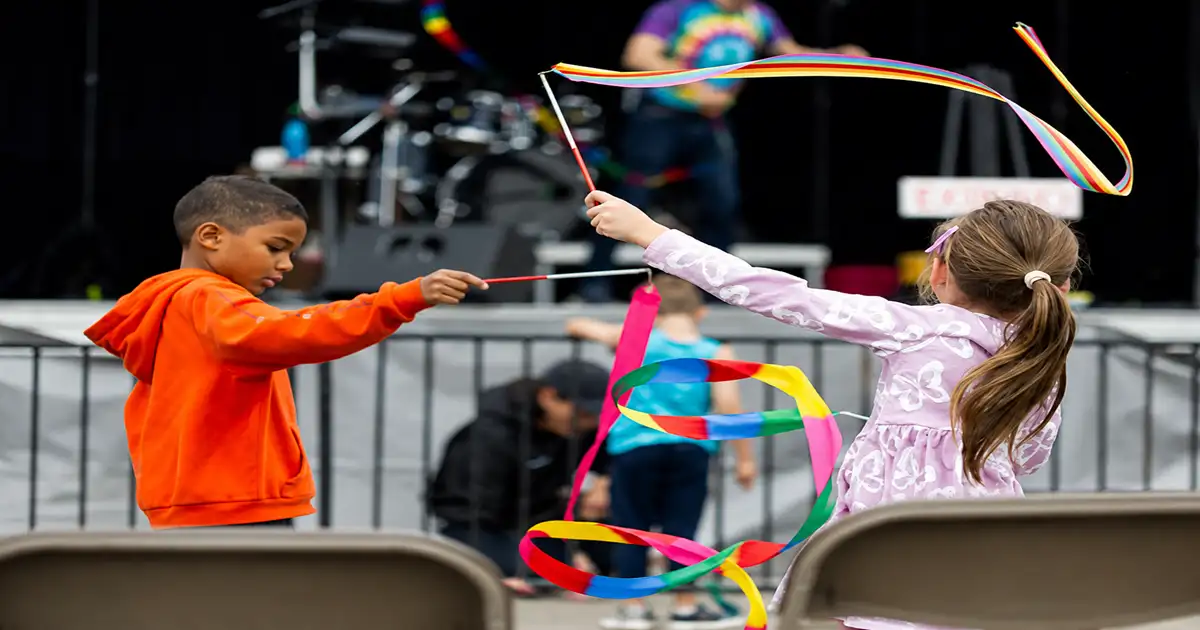
You notice it in seconds. One child hangs back, half-interested, half-unsure. Another joins in too quickly, then stops, checking if they’re doing it right. In most group settings, these moments pass without much thought. But they matter more than they seem. Early childhood is full of these in-between states where children are not quite confident, not quite comfortable, and still figuring out how to take part without feeling exposed.
What’s often missing isn’t ability. It’s the right kind of environment.
That’s where Kids’ Entertainment, when done with intention, starts to shift things. Not the overstimulating kind that talks at children, but the kind that pulls them in gently. The kind that understands hesitation and works with it, not against it. Skilled Kids’ Entertainers know how to create that space. And once that space exists, children begin to change how they show up.
Confidence Begins with Participation
Confidence is quieter than people expect. It doesn’t show up as a big moment. It usually starts with something small, almost forgettable.
A child claps once. Then again, a little louder. They try a line of a song, miss a word, laugh, and try again. That’s the pattern.
In sessions led by Kids’ Entertainers, participation is never forced. It’s offered. There’s a difference, and children can feel it instantly. With RONNO, the room is set up in a way that allows children to ease into involvement. A call-and-response here. A simple action there.
No pressure. Just an invitation.
- Respond when ready
- Join when comfortable
- Step back if needed, then return
Most children watch first. Then they test the waters. What’s interesting is how quickly that hesitation fades when they realize they’re not being judged. One small action leads to another. Over time, those actions stack up, and confidence starts to feel familiar.
Social Skills Take Shape in Shared Experiences
You can explain social skills to a child, but that only goes so far. They need to experience them. Kids’ Entertainment creates those small, shared moments where interaction feels natural, not instructed.
- waiting for a cue without being told twice
- responding as part of a group
- noticing what others are doing and adjusting
In RONNO’s sessions, these moments happen constantly, almost in the background. One group sings, another answers. Everyone claps together, then stops together. It looks simple, but there’s a lot happening underneath.
Children begin to read the room. Not in a complex way, just enough to understand rhythm, timing, and presence. And then something shifts. It’s no longer about “me doing this.” It becomes “we’re doing this.”
That sense of shared experience sticks. It’s subtle, but it changes how children approach group situations later on.
Movement Supports More Than Energy Release
Children move anyway. That’s a given. The real question is what that movement leads to. Without direction, it’s just noise. With the right guidance, it becomes something else entirely.
Skilled Kids’ Entertainers shape movement with intention:
- clap, then pause
- jump, then freeze
- follow a short sequence and repeat it
RONNO uses these patterns without making them feel structured. It feels like play, but there’s a clear rhythm underneath. Children start to listen more closely, not because they’re told to, but because they want to stay in sync.
And then there’s expression. Not every child explains how they feel in words. Some show it through movement. A louder clap. A bigger jump. A longer spin.
In the right Kids’ Entertainment setting, that expression isn’t corrected or limited. It’s allowed. Sometimes that’s exactly what the child needs.
Structure Creates a Sense of Safety
There’s comfort in knowing what comes next. Children rely on that more than we realize. When a session has rhythm, repetition, and a clear flow, something changes. The uncertainty drops.
Kids’ Entertainers often build around:
- familiar patterns
- Repeated phrases or actions
- predictable transitions
RONNO’s sessions carry that kind of structure. Not rigid, but steady. Children pick up on it quickly. Once they do, they stop second-guessing themselves as much.
They know when to join. When to pause. When to respond. That sense of predictability doesn’t limit them. It actually frees them to participate more.
Live Interaction Makes the Difference
Recorded content plays. Live Kids’ Entertainment reacts. That difference matters more than it sounds.
A live performer notices the small things:
- Who’s still holding back
- who’s starting to engage
- when the energy dips, even slightly
RONNO adjusts in real time. Sometimes it’s a small change in tone. Sometimes it’s giving the group a moment to catch up. That back-and-forth builds something screens can’t.
Children feel it. They recognize when someone is paying attention to them, even in a group. And when that happens, they tend to step forward just a bit more.
A Subtle but Lasting Impact
Not every result shows up immediately. In fact, most don’t. But over time, patterns change.
A child who once stayed quiet might:
- raise their hand without hesitation
- Join a group to play more easily
- speak up without waiting to be asked twice
These aren’t dramatic transformations. They’re gradual. But they’re real. And they often begin in spaces where children feel safe enough to try without getting it perfect.
That’s what thoughtful Kids’ Entertainment offers. Not just a moment of fun, but repeated chances to participate, adjust, and grow.
Conclusion
Early childhood development doesn’t follow a straight line. It’s shaped by small experiences that build over time. The right environment makes those experiences easier, more natural, and more effective. Kids’ Entertainers contribute to that process by creating spaces where children can engage without pressure and learn through participation.
RONNO design Kids’ Entertainmentwith that in mind. His sessions focus on interaction, movement, and real engagement rather than passive fun. As a kids’ entertainer, he aims to support confidence and social growth in ways that stay with children beyond the moment. If you’re looking to bring meaningful Kids’ Entertainment into your space, he is ready to make it happen. Reach out to RONNO today!
Frequently Asked Questions
1. What do kids’ entertainers do in early childhood settings?
Kids’ entertainers create interactive experiences that encourage participation, helping children build confidence, social skills, and comfort in group environments.
2. How does kids’ entertainment support child development?
It promotes communication, coordination, and emotional expression through play-based activities that feel natural and engaging.
3. Can shy children benefit from kids’ entertainers?
Yes, they provide a low-pressure environment where children can observe first and gradually join in at their own pace.
4. Why is participation important for young children?
Participation helps children develop confidence, learn social cues, and feel included in group settings.
5. How do kids’ entertainers improve social skills?
They create shared activities where children practice taking turns, following cues, and interacting with others.